Alone by Design: The Americans Shelling Out to Stay Disconnected in Tokyo
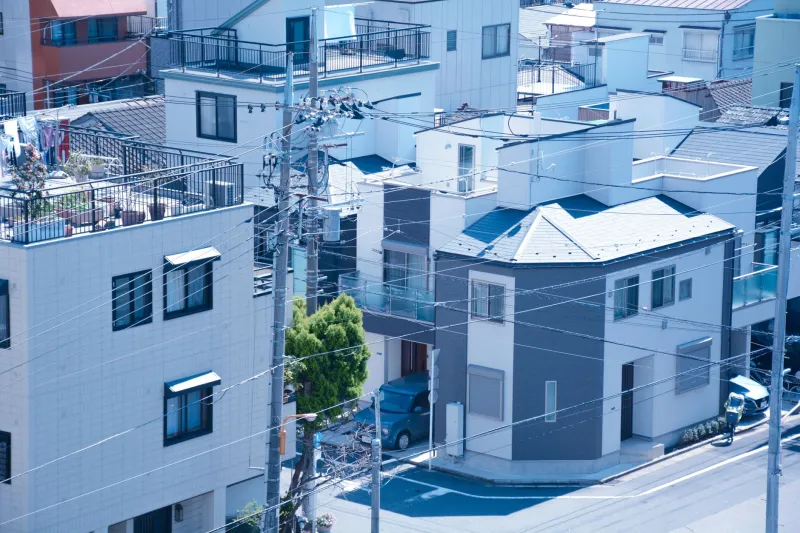
There's a particular kind of apartment in Azabu-Juban that doesn't get listed on the expat Facebook groups. No open houses. No word-of-mouth referrals through the usual American-in-Tokyo networks. You find it through a broker who specializes in discretion, and you pay — sometimes significantly more than market rate — for one specific feature that doesn't show up on any listing sheet: genuine, enforced, architectural solitude.
Think corner units with no shared walls. Buildings with small tenant rolls. Neighborhoods where the ambient noise ceiling is so low you can hear yourself think from three rooms away.
The Americans moving into these spaces aren't hermits. They're not running from something dramatic. Many of them are employed, socially functional, and in their late twenties or early thirties. What they're paying extra for, when you press them on it, is harder to name than it sounds.
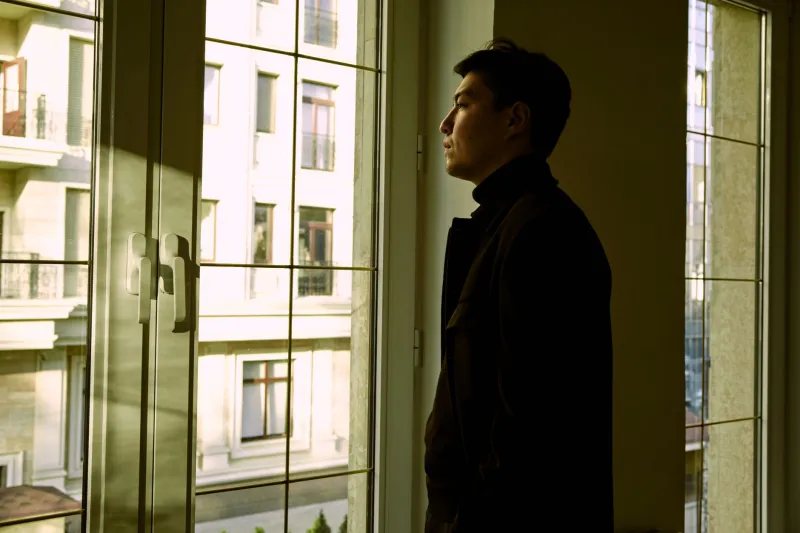
"I just wanted to stop being available," says Marcus, a 31-year-old product manager from Austin who relocated to Tokyo eighteen months ago. He pays roughly 40 percent above what his colleagues in similar roles spend on housing. He doesn't consider it a splurge. "Back home, being unreachable felt like a personal failure. Here, it just feels like Tuesday."
The Economics of Opting Out
Solitude has always had a price tag. Thoreau had Walden Pond. Tech executives have their off-grid retreats in Montana. But what's happening among a specific subset of American expats in Tokyo feels different — less retreat, more permanent lifestyle architecture.
Real estate agents who work with foreign clients in the Minato ward area have started noticing the pattern. Requests for units with minimal shared amenities are up. Interest in buildings with communal lounges or rooftop decks — the kinds of features that traditionally command premiums — has cooled among younger American renters specifically. What they want instead is buffer. Physical and acoustic distance from other people's lives.
The premium for that distance varies, but brokers estimate it runs anywhere from 15 to 50 percent above comparable units, depending on how far you want to push the isolation index. Corner units cost more. Higher floors cost more. Buildings with fewer than ten units cost more. Stack all three and you're paying a lot of money to be, essentially, left alone.
Which raises the obvious question: why not just... stay home and close the door?
"You can't actually be alone in an American city the same way," argues Priya, a 28-year-old UX researcher from San Francisco who's been based in Tokyo for two years. "There's always something pulling at you. A notification, a guilt trip, a neighbor who wants to 'build community.' Here, nobody expects you to be available. The city isn't designed around your participation."
What Tokyo Gets Right About Leaving People Alone
This is a point that comes up constantly among solitude-seeking expats: Tokyo, culturally, has a sophisticated relationship with minding its own business. The Japanese concept of ma — the productive value of empty space and silence — isn't just aesthetic philosophy. It's baked into how public and private life are structured. Neighbors don't stop by unannounced. Elevator small talk is not mandatory. Your business is yours.
For Americans raised in a culture that treats sociability as a moral virtue — where "how are you" is a greeting, not a question, and declining an invitation requires a formal explanation — this is genuinely disorienting at first, and then, for a lot of people, deeply relieving.
"I didn't realize how much energy I was spending just managing other people's access to me," says Jordan, a 33-year-old freelance consultant from Chicago. "Tokyo gave me permission to stop. And I'll pay for that permission indefinitely."
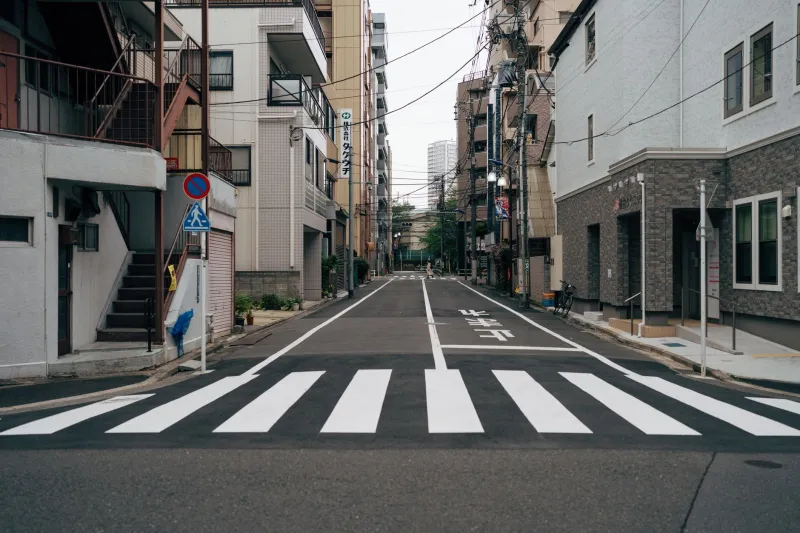
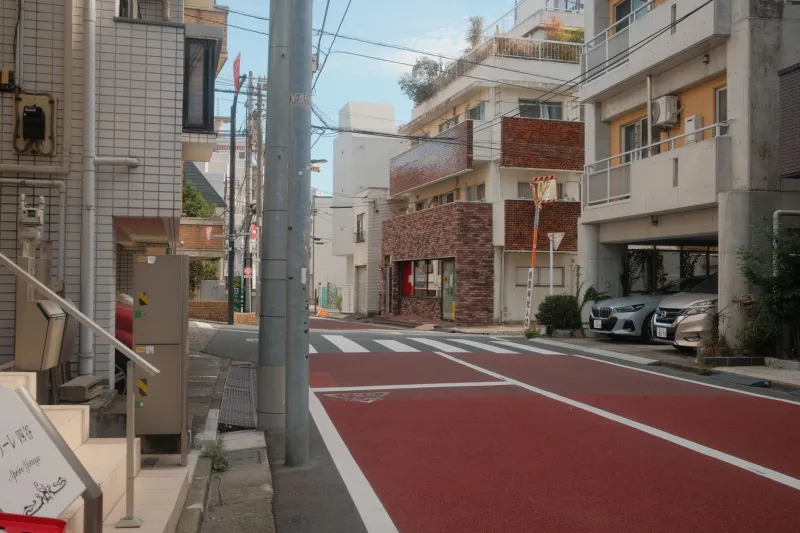
The irony isn't lost on anyone that this permission comes packaged in one of the most densely populated cities on earth. Tokyo has 37 million people. Azabu-Juban on a Saturday afternoon is not exactly a ghost town. But density, it turns out, doesn't automatically mean intrusion. The city's social architecture — its unspoken rules about space, noise, and expectation — creates pockets of profound privacy that sprawling American suburbs, with their mandatory friendliness and HOA newsletters, often can't match.
When Quiet Becomes Its Own Trap
Not everyone who goes looking for solitude in Tokyo finds what they were hoping for. The same expats who rhapsodize about the freedom of disconnection will sometimes, in longer conversations, describe something more complicated underneath it.
"There were stretches where I didn't speak to another person for four or five days," admits one American who asked not to be named, a 29-year-old data analyst who's been in Tokyo for three years. "And at first that felt like winning. And then it just felt like nothing."
This is the part of the solitude premium that doesn't make it into the lifestyle content. The Instagram-worthy minimalist apartment, the serene neighborhood walks, the blissful absence of social obligation — these things are real, and they deliver. But sustained isolation, even chosen isolation, has a ceiling. And Tokyo, for all its gifts to the solitude-seeking expat, doesn't make it easy to walk back across the threshold when you're ready to let people in again.
The city's social entry points for foreigners are narrow and specific. Language barriers are real. Cultural codes around friendship formation are slow and particular. The same features that make Tokyo feel like a refuge from American-style social pressure can make genuine connection feel impossibly far away when the quiet starts to curdle.
"I think I confused peace with happiness for a while," says Marcus, who has since joined a weekly running group — not to socialize, he's quick to clarify, but "just to have people nearby who know my name."
Status Symbol or Genuine Shift?
There's a version of this trend that's entirely sincere. Burnout among young American professionals is well-documented and genuinely severe. The pandemic scrambled everyone's relationship with proximity and community. The idea that some people are using geography — and specifically Tokyo's particular brand of respectful indifference — to rebuild a healthier relationship with solitude tracks as real and meaningful.
There's also, if you look at it from a certain angle, a version of this that's just expensive introversion cosplay. Paying above-market rent to feel like you've opted out of modernity, while still posting about it, still taking meetings on Zoom, still very much participating in the global attention economy — that's a lifestyle brand, not a philosophy.
The truth is probably somewhere in between, which is where most truths about how people actually live tend to land. Some of the Americans paying the solitude premium in Tokyo are genuinely rewiring something real about how they want to live. Others are buying a feeling. Most are probably doing both at the same time, in different proportions on different days.
What's interesting isn't whether the trend is authentic. It's that the demand exists at all — that enough Americans are willing to pay real money, in one of the world's most expensive cities, specifically for the experience of being left alone.
That says something. It might say something about Tokyo. It definitely says something about where we came from.