Paying for Quiet: The Weird Math Behind Why Americans Are Splurging on Tokyo's Most Boring Neighborhood
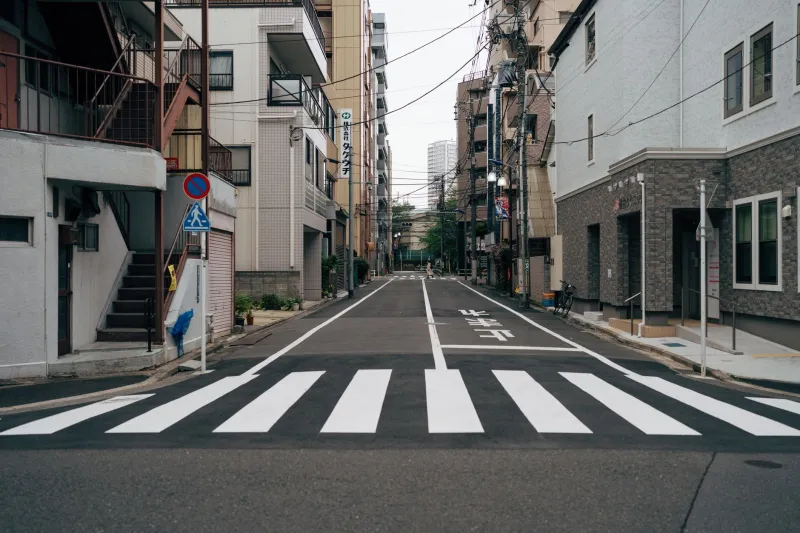
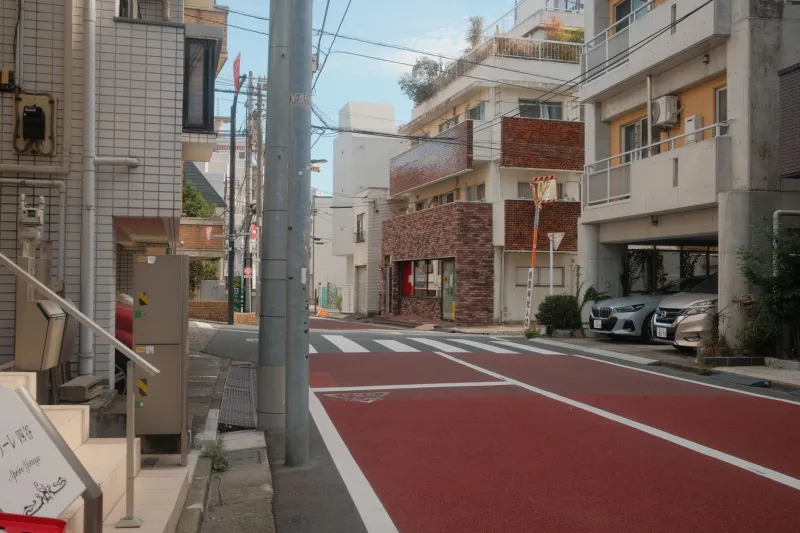
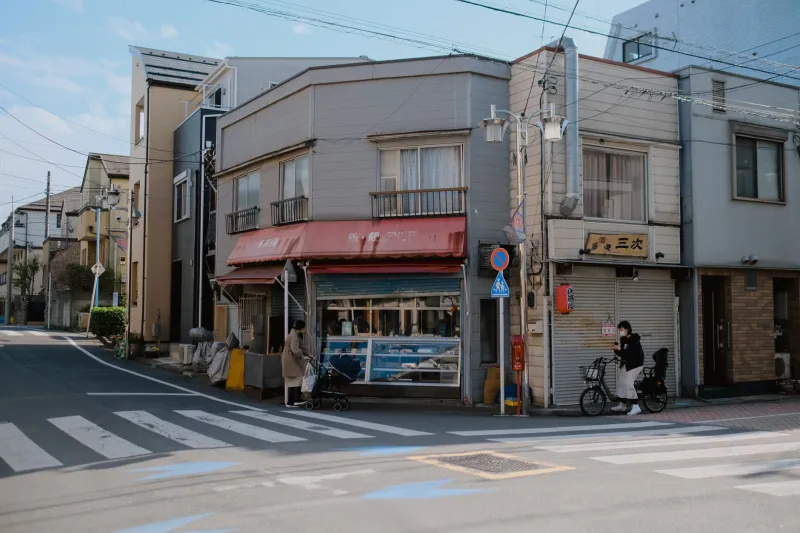
Let's say you're an American who just landed a remote gig or a Tokyo posting that pays well. You've got options. Shibuya is right there, all neon and noise and energy that practically pulls you out of bed in the morning. Shinjuku offers a kind of organized chaos that feels almost cinematic. And then there's Azabu — where the streets are clean, the foot traffic is light, and the biggest drama on a Tuesday night is whether the tofu shop closes at six or seven.
And yet, people are paying more to live there.
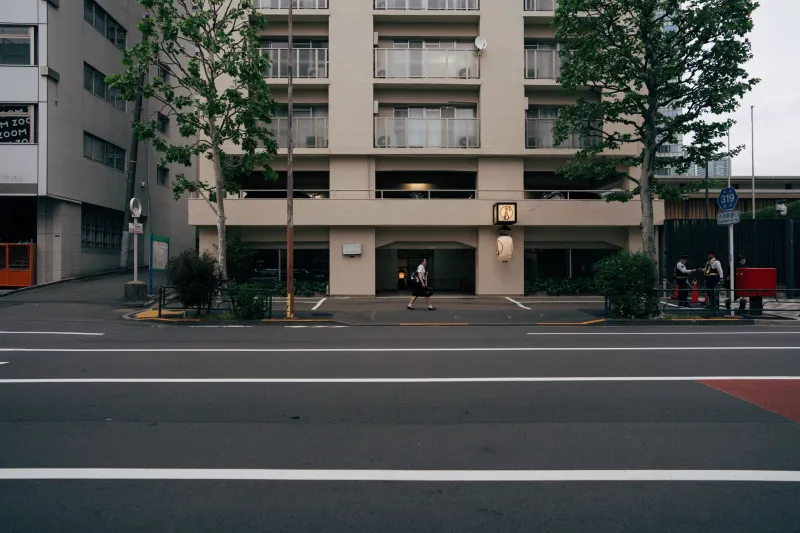
Not a little more. We're talking Manhattan-adjacent rent for a neighborhood that, on paper, seems to offer less of everything Tokyo is famous for. No pulsing nightlife. No wall-to-wall shopping. No neon signs screaming for your attention. Just quiet streets, low-key cafés, and an almost eerie sense that the city is being kept at a polite distance.
So what exactly are people buying?
The Price of Not Being Overstimulated
Here's the thing about living in a major American city in 2024: the baseline level of ambient chaos has gotten genuinely hard to manage. New York, LA, San Francisco — all of them have this quality of relentless demand. The city wants something from you, constantly. Your attention, your money, your hustle, your presence at the right events, your opinions posted in real time.
Azabu doesn't want anything from you.
That sounds like a small thing until you've actually experienced it. Americans who've made the move describe the neighborhood with words you don't usually hear attached to a major metropolitan area: calm, intentional, restorative. One former Brooklyn resident who relocated last year put it plainly: "I paid less per square foot in Williamsburg and came home exhausted every single night. Here I pay more and somehow have energy left over."
The economics are counterintuitive only if you're measuring the wrong thing. If you're paying for square footage, sure — Azabu looks like a bad deal. But if you're paying for cognitive bandwidth, for the ability to actually think clearly, for the experience of walking to get groceries without being marketed to at every corner? Suddenly the math shifts.
Small-Town Feeling, World-Class Infrastructure
What Azabu has quietly figured out — and what its residents are increasingly vocal about — is a combination that almost doesn't exist in the United States: the intimacy of a small community layered over genuinely excellent infrastructure.
The trains run. The streets are safe at any hour. The restaurants are exceptional without being loud about it. And somehow, despite being embedded in one of the largest cities on the planet, the neighborhood maintains this almost village-like quality where people recognize each other, shop owners remember your order, and the pace of daily life feels chosen rather than imposed.
For Americans, this combination is borderline mythological. In the US, you generally have to pick. You can live in a small town and get the community feel, but you sacrifice access, opportunity, and often basic services. Or you can live in a major city and get all the infrastructure, but you give up the quiet, the space to breathe, and the sense that anyone around you actually sees you as a person rather than foot traffic.
Azabu doesn't make you choose. And Americans, it turns out, will pay a significant premium for that.
Authenticity Has a Price Tag Now
There's a broader cultural story embedded in all of this, and it's one that says a lot about where American values are right now.
For most of the 2010s, the aspirational American lifestyle was loud. Big personality, big platform, big city energy. The goal was visibility — to be seen, to be followed, to be in the room where it happened. Azabu represents something close to the philosophical opposite of that, and the fact that Americans are actively choosing it — and paying through the nose to do so — suggests a real shift in what people actually want versus what they've been told they should want.
Authenticity used to be a buzzword brands slapped on marketing campaigns. Now it's something people are quite literally budgeting for. The search isn't for the most impressive neighborhood or the most Instagrammable apartment. It's for a place that feels real — where the rhythms of daily life aren't engineered for content, where the people around you aren't performing, where you can exist without an audience.
Azabu, oddly, delivers that. A neighborhood that has no particular interest in being discovered, no hustle to brand itself, no tourism infrastructure trying to sell you an experience. It just exists, at a very high level of quality, for the people who live there.
The Expat Calculus
Talk to Americans who've settled in Azabu for more than a year and a pattern emerges. Most of them went through some version of the same internal negotiation: sticker shock, justification, acceptance, and then — somewhere around month three — a kind of quiet conviction that they'd made the right call.
"I kept trying to explain it to friends back home and it sounded insane," said one tech worker who moved from Austin two years ago. "Like, yes, my apartment is smaller and costs more. But I'm sleeping eight hours a night for the first time in a decade. I don't know how to put a dollar amount on that."
That's the Azabu paradox in a sentence. The neighborhood's value proposition is almost entirely experiential — it lives in the negative space, in what's not there. No noise. No pressure. No sense that you're supposed to be somewhere more exciting. And because that's so genuinely rare, people are willing to pay for it in ways that look irrational from the outside.
What This Says About the Rest of Us
Maybe the more interesting question isn't why Americans are paying Tokyo prices to live somewhere deliberately quiet. Maybe the question is what it says about American cities that people feel they have to go to the other side of the planet to find this.
Because the peace Azabu offers isn't exotic, exactly. It's not a hot spring retreat or a meditation center. It's just a neighborhood where people live thoughtfully, where quality is prioritized over spectacle, and where the default setting is calm rather than stimulated.
The fact that this feels remarkable — remarkable enough to justify premium rent and a 14-hour flight — probably tells us more about the state of American urban life than it does about Azabu.
The neighborhood isn't doing anything special. It's just doing things well, quietly, without making a big deal about it.
For a growing number of Americans, that's worth everything.