No Filter, No Problem: The Americans Paying Tokyo Prices to Disappear on Purpose
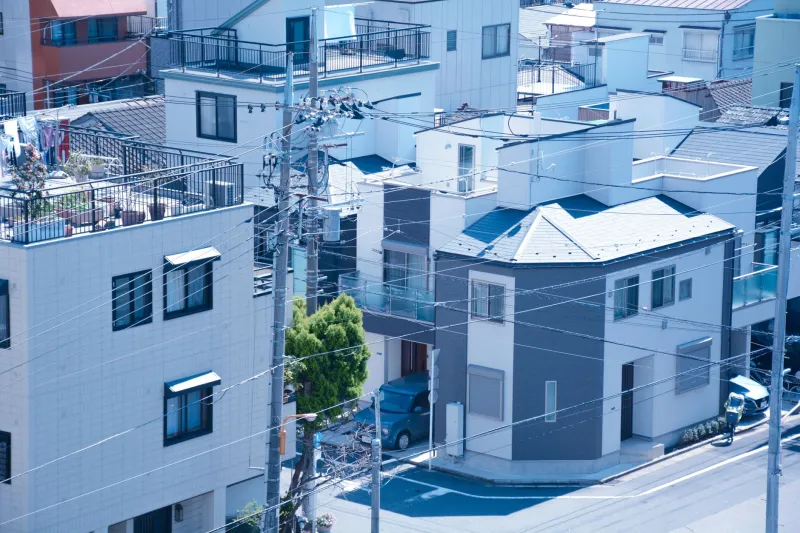
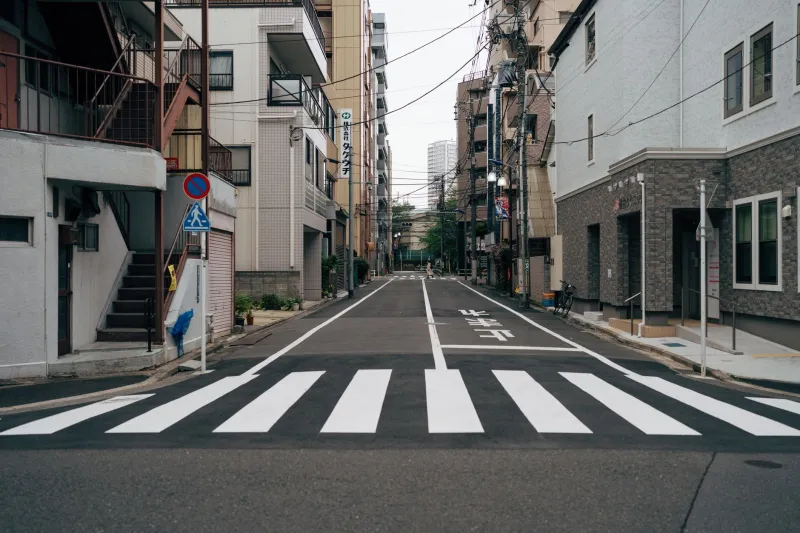
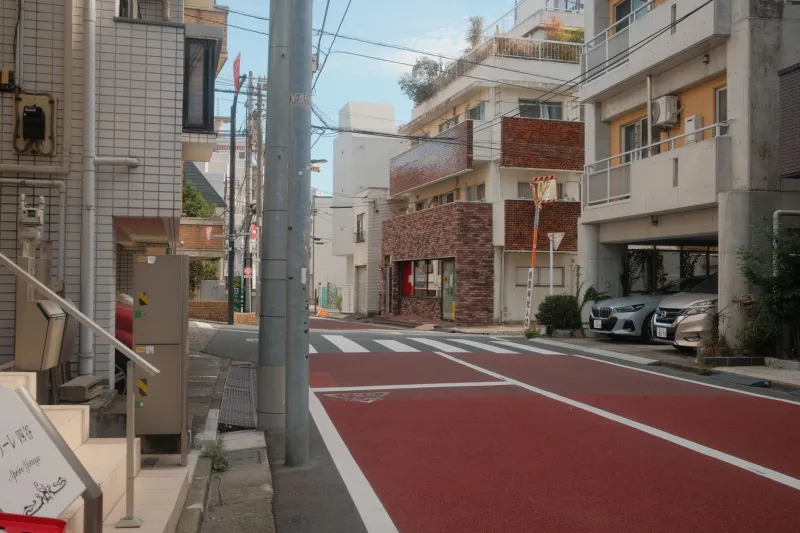
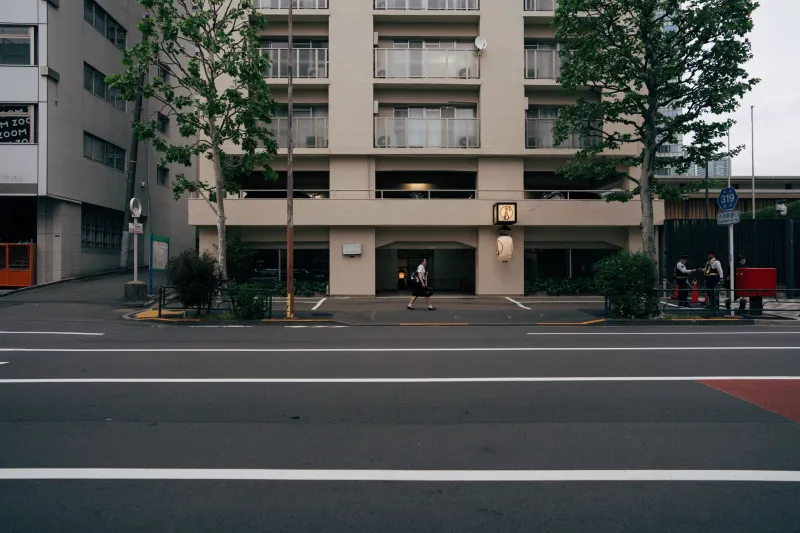
There's a corner of Tokyo where nothing particularly photogenic happens. No neon-soaked alleys. No matcha soft-serve queues spilling onto the sidewalk. No vintage storefronts begging to be a backdrop. Just clean streets, tasteful hedgerows, and the occasional suited salaryman walking his Shiba Inu with the kind of focused indifference that only comes from decades of practice.
This is Azabu. And Americans — specifically the kind with enough money to live basically anywhere — are paying a serious premium to be here.
It's not a fluke. It's not ignorance of Tokyo's more aesthetically generous neighborhoods. It's a choice. A deliberate, sometimes almost aggressive choice to opt out of the visual economy entirely.
The Anti-Aesthetic as a Statement
Ask Marcus, a 34-year-old product strategist who relocated from San Francisco two years ago, why he picked Azabu over somewhere like Shimokitazawa or Nakameguro — neighborhoods that practically generate content on their own — and he doesn't hesitate.
"I was exhausted by places that felt like they were performing for me," he says, sitting in an apartment that costs him roughly what a two-bedroom in the Mission would. "Every neighborhood back home had a vibe it was selling. Azabu doesn't sell anything. It just exists."
That distinction — between a place that exists and a place that performs — has become a kind of organizing principle for a loose cohort of American expats who've ended up in this particular pocket of Minato ward. They're not anti-Japan. They're not even anti-Tokyo. They're specifically anti the version of urban life that requires them to be always, subtly, on.
For a generation raised inside the attention economy, the idea of living somewhere with zero viral potential isn't a sacrifice. It's the whole point.
What You're Actually Buying
Azabu's real estate numbers are not casual. Rents in the area routinely land among the highest in the city, and the expat premium — the invisible tax foreigners pay for English-language leases and proximity to international schools and embassies — pushes things further. You're not here by accident. You're here because you made a series of deliberate financial decisions that ended with you in a neighborhood that most tourists never find and most Tokyo locals consider quietly prestigious in a way that doesn't translate well to outsiders.
And that untranslatability is, increasingly, the appeal.
"The value isn't in what you can show," says Priya, a 29-year-old UX researcher who moved from New York eighteen months ago. "It's in what you don't have to explain. Nobody here cares what your apartment looks like on a grid. That's genuinely new for me."
What she's describing is a kind of social pressure vacuum — a neighborhood where the usual metrics of visible success simply don't apply. No one is posting their Azabu morning routine. No one is tagging the local konbini. The status that exists here is older, quieter, and almost entirely offline.
The Psychology of Opting Out
Social researchers who study affluent millennial and Gen Z behavior have a name for this pattern: conspicuous non-consumption. It's the idea that for a certain income bracket, the most powerful status signal has flipped — from showing what you have to demonstrating that you've moved beyond needing to show anything at all.
Japan, and Azabu specifically, turns out to be an almost perfect environment to practice this. The culture already runs on a version of privacy-as-default that Americans find both alien and deeply appealing. Neighbors don't drop by unannounced. Nobody asks what you do for work at a dinner party within the first thirty seconds. The social contract here rewards discretion rather than disclosure.
For Americans who grew up in a culture that treats self-promotion as a survival skill, that inversion hits differently.
"I used to feel like I was constantly auditioning," says Derek, 31, who left a marketing role in Los Angeles to work remotely from Tokyo. "For what, I couldn't even tell you. Azabu was the first place I lived where I didn't feel that. The city doesn't want anything from you."
Boring Daily Life as Luxury Good
Here's the thing that keeps coming up in conversations with American residents of this neighborhood: they talk about the mundane stuff with an almost reverent enthusiasm.
The routine of picking up groceries at the same place every Thursday. Knowing which dry cleaner gets the turnaround right. The particular quiet of their block at 7 a.m. These are not the stories people tell when they're trying to impress anyone. They're the stories people tell when they've finally stopped trying.
And in a weird way, that's exactly the flex. The ability to be genuinely boring — to have a life so settled and private that it generates no content whatsoever — has become its own kind of aspirational signal among a subset of young Americans who've spent their entire adult lives in environments optimized for output.
Azabu doesn't give you material. It gives you time. And for people who've spent years converting every experience into something shareable, having experiences that belong entirely to them feels almost shockingly new.
What This Says About American Culture Right Now
It would be easy to frame this as a Tokyo story. But it's really an American story that happens to be set in Tokyo.
The generation moving into Azabu came of age during peak social media, lived through the influencer economy's rise and slow cultural discrediting, and watched burnout become so normalized it got its own wellness industry. They're not naive about the systems they grew up in. They just don't want to live inside them anymore.
Choosing a neighborhood with no Instagram moments isn't a rejection of beauty or ambition. It's a rejection of the idea that beauty and ambition need an audience to count. It's a bet — an expensive, considered, slightly defiant bet — that the best version of your life might be the one nobody else can see.
Azabu is where that bet gets placed. Quietly, as is the custom here.
And if you're waiting for someone to post about it, you're going to be waiting a while.