Forget the Algorithm: Why American Creators Are Trading Viral Moments for Japanese-Style Audience Loyalty
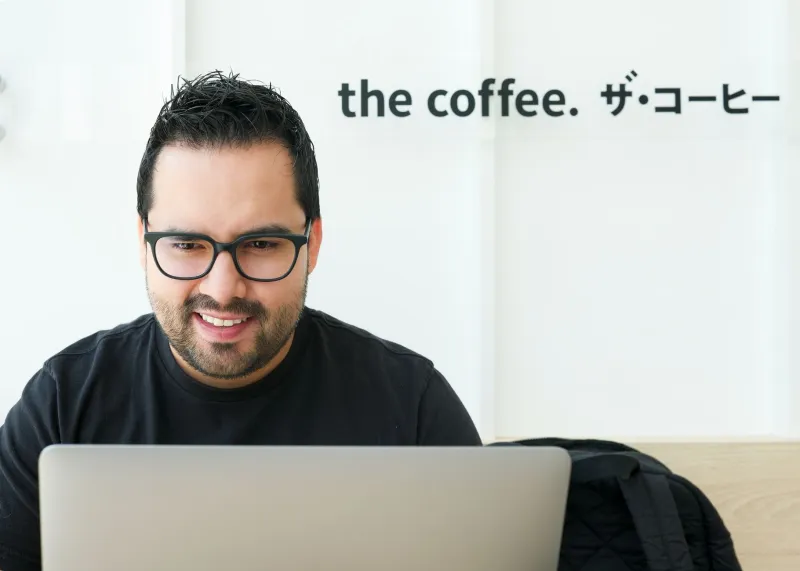
Somewhere between a third-floor coffee shop in Minami-Azabu and a Substack dashboard showing a modest but rock-steady open rate, something shifted for Marcus Delaney. The former Los Angeles-based lifestyle creator had spent three years chasing the dopamine cycle — trending audio, hook-first Reels, the whole exhausting machine. Then he moved to Tokyo, settled into the unhurried rhythms of Azabu-Juban, and started making content the way his neighborhood seemed to do everything else: slowly, deliberately, and without performing for a crowd.
"I posted less. I stopped checking analytics every hour. And somehow my audience got more engaged," Delaney says. "It felt counterintuitive until I realized I'd basically absorbed the way things work here."
He's not alone. A loose but growing cohort of American creators — some living in Tokyo full-time, others who spent extended stints in Japan and came back changed — are quietly dismantling the viral-chasing infrastructure that defines mainstream Western content culture. In its place, they're building something that looks a lot more like the Japanese approach to craft, trust, and long-game relationship-building.
The Problem With the Engagement Economy
To understand why this shift is happening, it helps to remember what American creators are actually running away from. The Western content model — optimized for platforms like TikTok, Instagram, and YouTube — rewards novelty over depth, volume over craft, and emotional reaction over genuine connection. The incentive structure is essentially a slot machine: keep pulling the lever, keep chasing the hit, and never slow down long enough to ask whether any of it is actually building something.
Burnout among creators is well-documented at this point. A 2023 study from the Adobe Creative Economy Report found that over 50% of American content creators reported feeling creatively drained by platform demands. The hustle-and-post model isn't just unsustainable — increasingly, creators are questioning whether it even works. Viral moments spike and collapse. Algorithmic favor shifts without warning. And the audiences built on attention-bait tend to be fragile, quick to move on when the next shiny thing appears.
What Japan Does Differently
Japanese content culture operates on different assumptions. The concept of shokunin — the artisan or craftsperson who dedicates a lifetime to mastering a single discipline — has no clean Western equivalent. Neither does the patience embedded in how Japanese businesses and creators tend to approach their audiences. There's a reason a ramen shop in Tokyo can have a two-hour line and no social media presence. Reputation built over years, through consistency and quality, creates a kind of loyalty that no ad budget can replicate.
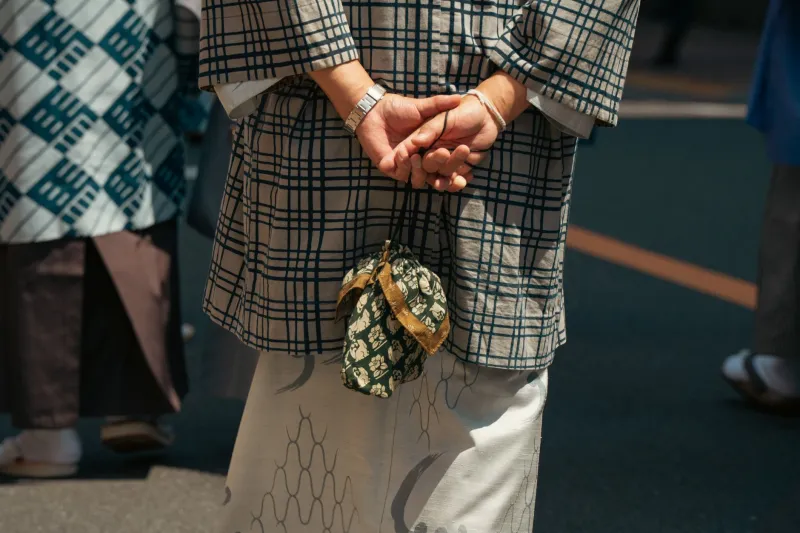
American creators who've spent time in Azabu — a neighborhood that itself operates more like a curated private club than a commercial district — describe absorbing this sensibility almost by osmosis. The area's quiet streets, its understated restaurants, its general allergy to anything that feels like it's trying too hard: it all adds up to a cultural argument against spectacle.
"Azabu taught me that the best things don't announce themselves," says Nina Cho, a New York-born food and culture writer who spent 18 months in Tokyo before relocating back to Brooklyn. "I started writing longer pieces, less frequently. I stopped pitching trend-bait. My newsletter lost subscribers for about two months and then started growing again — but the people who stayed were genuinely invested."
The Metrics That Actually Matter
What separates this approach from simply posting less and hoping for the best is intentionality. The creators adopting what some are loosely calling a "Japanese content philosophy" aren't just slowing down — they're reorienting around entirely different measures of success.
Instead of chasing follower counts, they track reply rates and direct message quality. Instead of optimizing for shares, they focus on return visitors and long-read completion rates. Instead of producing content designed to go wide, they're designing for depth — for the reader or viewer who comes back every week because they trust what's coming.
This maps closely onto Japanese retail and hospitality concepts like ikigai (finding purpose in what you do) and the service philosophy of omotenashi, which is less about giving customers what they want in the moment and more about anticipating what they actually need. Applied to content, it's the difference between a creator who chases your attention and one who earns your time.
Delaney describes his current approach as "making things for the person who's been reading me for two years, not for the algorithm that's never heard of me." His engagement rate — measured by the metrics he actually cares about now — has climbed steadily since he made the shift, even as his posting frequency dropped by roughly 40%.
The Business Case (Yes, There Is One)
Skeptics might assume this is a creative luxury affordable only to creators who don't depend on content income. The data is starting to push back on that assumption.
Substack's internal research has repeatedly shown that newsletters with lower subscriber counts but high open and reply rates command stronger paid conversion than larger, less engaged lists. Patreon and membership platform data tells a similar story: smaller, loyal audiences monetize more reliably than large, passive ones. The economics of depth are real.
Several Tokyo-based American creators interviewed for this piece reported that their shift toward quality-over-quantity content directly preceded growth in paid subscriptions, brand partnerships with longer contract terms, and — perhaps most tellingly — a dramatic reduction in the churn that plagues creators who build on viral spikes.
"The brands that want to work with me now are different," Cho notes. "They're not looking for a one-post bump. They want ongoing relationships with my audience. That's only possible because my audience actually has a relationship with me."
A Quiet Revolution With Loud Implications
None of this is a wholesale rejection of Western content platforms. Most of these creators are still on Instagram, still posting to YouTube, still playing the game to some degree. But the underlying philosophy — the why behind what they make and who they're making it for — has fundamentally changed.
What's interesting is that this shift is happening at a moment when American audiences themselves seem to be developing an appetite for it. Creator fatigue is real on the consumption side too. There's a growing hunger for content that feels like it was made with care, by someone who actually knows something, for an audience they respect.
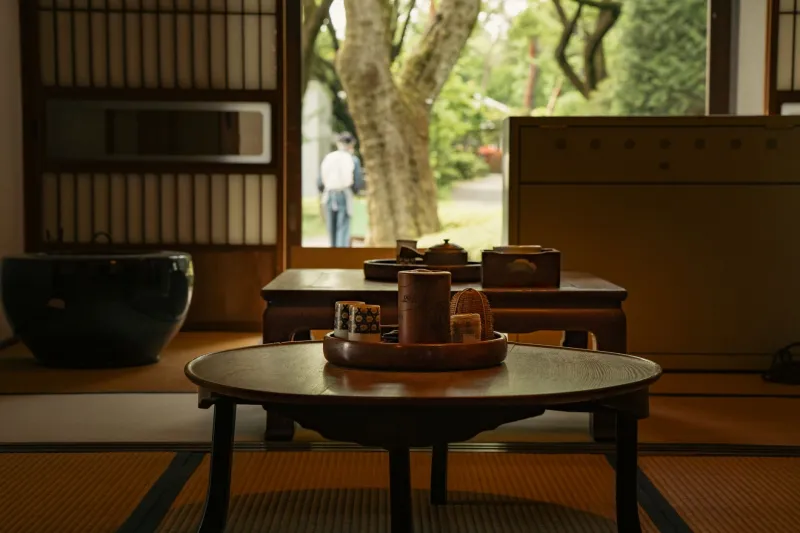
Azabu, with its quiet streets and its long-standing resistance to anything flashy, turns out to be a surprisingly useful lens for understanding what sustainable creative work might look like. Not everything needs to go viral. Some things are better built to last.
Marcus Delaney's latest essay took him three weeks to write. It has 4,000 views. He's never been more satisfied with a piece of work in his life.