Dressed in Silence: How Azabu's Understated Style Is Quietly Rewiring American Closets
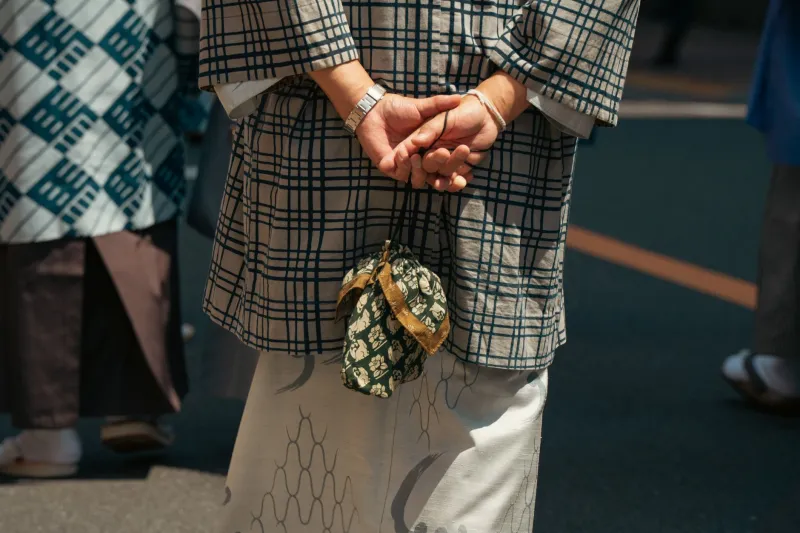
There's a particular kind of person you see walking through Azabu-Juban on a Tuesday afternoon. They're not wearing anything that screams for attention. No visible branding. No color-blocking designed to stop a scroll. What they're wearing looks almost effortless — a slightly oversized linen jacket in a shade somewhere between fog and sand, trousers with a hem that falls just a little unevenly, shoes that look broken-in in the best possible way. The whole outfit seems to say: I thought about this, but I'd never tell you how much.
That sensibility — call it quiet dressing, intentional minimalism, or just the Azabu way — is now making its way into American fashion in ways that are easy to miss if you're not paying attention. Which, honestly, feels appropriate.
Not Wabi-Sabi, Not Streetwear — Something Else Entirely
American fashion media has spent years trying to package Japanese style into digestible categories. There was the Harajuku explosion of the early 2000s, the streetwear obsession with Ura-Harajuku labels, the slow creep of Muji into every design-conscious apartment. But Azabu's aesthetic resists easy categorization — and that's precisely what makes it so interesting to the designers now drawing from it.
"It's not about the garment as a statement," says one Brooklyn-based indie designer who spent eight months living in Minato Ward and now builds collections around what she calls "considered neutrals." "In Azabu, the clothes feel like they belong to the person. Not the other way around."
What she's describing is a philosophy of dressing that prioritizes relationship over spectacle. Earth tones that shift with different light. Cuts that aren't quite symmetrical but feel intentional rather than accidental. Natural fabrics — linen, raw cotton, undyed wool — that age visibly and honestly. It's the kind of wardrobe that gets better the longer you own it, which is about as counter-cultural as you can get in an American fashion landscape built on seasonal churn.
The Capsule Wardrobe Gets a Philosophy Upgrade
The capsule wardrobe concept has been floating around American lifestyle culture for years, but it's always felt a little sterile — a productivity hack dressed up as personal style. Ten items, no waste, done. What the Azabu influence is doing is injecting something more nuanced into that conversation: the idea that a small wardrobe isn't just practical, it's meaningful.
Several indie American labels have started using language that would feel right at home in a Minato Ward boutique. Words like "considered," "impermanent," and "wearable over decades" are showing up in brand copy from labels in Portland, Marfa, and the Hudson Valley. Some of them are explicit about the Japanese influence. Others are absorbing it more organically through designers who've traveled, lived, or simply fallen deep into the rabbit hole of Japanese fashion media.
The slow fashion movement in the US has found a kind of spiritual anchor in this aesthetic. Where slow fashion used to feel like a guilt-driven reaction to fast fashion — buy less, feel better about yourself — the Azabu-inflected version feels more like an affirmative choice. You're not just avoiding something. You're building toward something.
Logomania's Quiet Hangover
It's worth noting what the Azabu aesthetic is pushing back against, because the contrast matters. The last decade of American fashion was dominated by visible branding — the louder, the better. Supreme drops. Gucci belts. The logo as personal identity. Social media accelerated all of it, turning every outfit into a potential content piece.
That era isn't over, but there are real signs of fatigue. Search data shows increasing interest in terms like "no-logo fashion," "quiet luxury," and "anti-trend dressing" among US consumers. The "old money aesthetic" TikTok moment of the past couple years gestured at something similar, though it stayed rooted in a very Western, very patrician visual language.
What Azabu offers is different — and arguably more interesting. It's not about performing wealth or restraint through European heritage codes. It's about a relationship with clothing that's almost philosophical. The Japanese concept of ma — the meaningful use of negative space — shows up in how Azabu residents approach a wardrobe. What's left out matters as much as what's included.
The American Designers Taking Notes
A handful of US-based labels are doing this particularly well right now. Without naming names in the way that would turn this into a shopping guide, there's a recognizable cluster of small-batch American brands — most with limited online presences, most selling directly, many with waitlists — that have quietly built followings among consumers who've grown tired of the content-driven fashion cycle.
Their shared DNA: natural dye processes that leave slight variations between pieces, sizing that prioritizes drape over fitted precision, and a near-total absence of seasonal thinking. These brands don't do "fall collections." They release pieces when they're ready. Some offer repair services as a standard part of the customer relationship. A few have introduced intentional aging into their production — garments that arrive looking like they've already lived a little.
It's a direct translation of something you'd find in a small Azabu boutique, where a shopkeeper might spend ten minutes explaining the provenance of the fabric in a single shirt before ever mentioning the price.
What It Actually Looks Like in an American Closet
For American consumers trying to bring this sensibility home without the context of actually living in Azabu, the translation can feel tricky. The aesthetic is easy to approximate on the surface — buy neutral-toned linen, find a Japanese brand on Farfetch, done. But the people doing it most convincingly aren't just copying a look. They're adopting an approach.
That means buying fewer things, but spending more time with each choice. It means accepting that a garment that fits imperfectly by conventional standards might actually fit you better. It means letting go of the idea that a wardrobe needs to feel complete, finished, or Instagram-ready.
Some American expats who've spent time in Azabu describe coming home and finding their existing closet almost unbearably noisy — too many colors, too many statements, too much stuff fighting for attention. The reset they do afterward tends to be gradual rather than dramatic. A slow edit. Which is, come to think of it, exactly how Azabu operates.
The Neighborhood as a Design Brief
What's striking about the Azabu influence on American fashion is that it's not really about Japan in a surface-level sense. You won't find cherry blossoms printed on anything, or overt references to traditional Japanese dress. The influence is structural, not decorative. It's about how a place — its pace, its values, its relationship with impermanence — can translate into the way people choose to dress.
Azabu, as a neighborhood, is defined by restraint. It's one of Tokyo's most exclusive zip codes, but it doesn't advertise that fact. The streets are quiet. The restaurants don't have signs you'd notice from a distance. The aesthetic is earned, not announced.
For American designers and consumers looking for an alternative to the relentless noise of modern fashion culture, that's not just an aesthetic reference. It's a whole different way of thinking about what clothes are for.