Cringe Is Dead: How Gen Z Found Its Anti-Influencer Playbook in Japan
Somewhere between the fifteenth sponsored post for a teeth-whitening kit and the third "day in my life" vlog featuring a suspiciously perfect apartment, a lot of younger Americans started feeling something they couldn't quite name. Exhaustion, maybe. Or just a creeping sense that none of it was real.
What came next surprised a few people — including, arguably, the kids themselves.
They didn't log off. They didn't go back to Facebook. They turned east.
The Algorithm Isn't Giving Them What They Want Anymore
For the better part of a decade, influencer culture ran on a simple formula: aspirational aesthetics, relentless positivity, and a product placement tucked somewhere into the third minute of every video. It worked — for a while. But Gen Z, the first generation to grow up entirely inside the attention economy, has developed a pretty sharp nose for performance.
TikTok's own data has shown declining engagement on heavily produced content among users under 25, while lo-fi, unfiltered formats — shaky camera, ambient sound, no ring light in sight — have been quietly eating into the polished stuff's market share. The kids aren't just bored with the gloss. They're actively suspicious of it.
Enter Japan.
Not the neon-lit, kawaii-branded version of Japan that dominated the internet in the early 2010s. Something quieter. Something that doesn't really photograph well, which is sort of the whole point.
Finding Beauty in the Broken Stuff
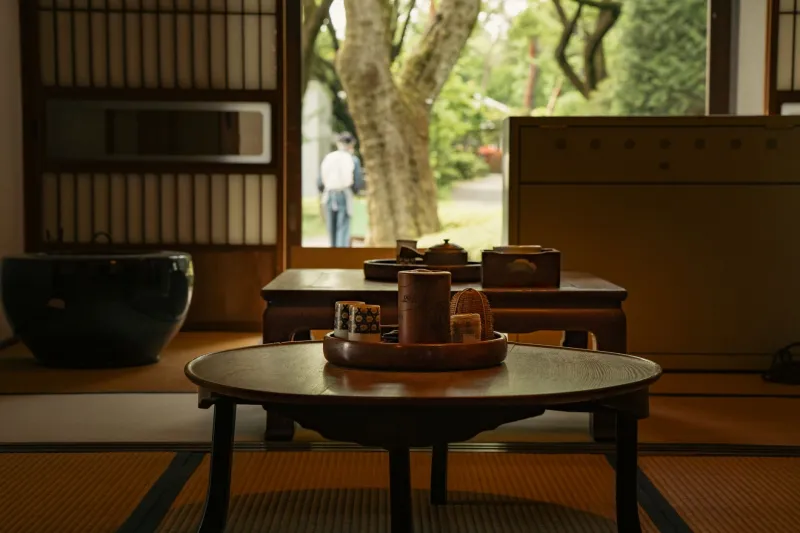
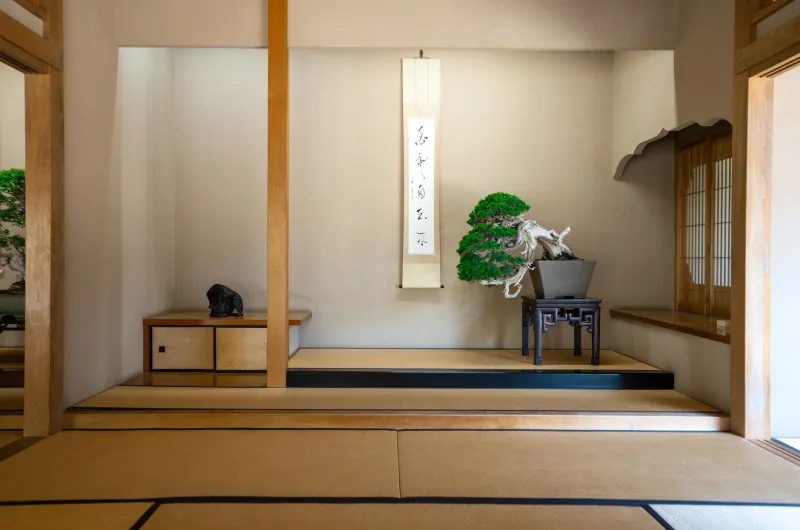
The concept getting passed around in corners of TikTok and Discord right now is kinkaku — a term that describes the practice of finding beauty in objects and moments that are flawed, worn, or incomplete. It's related to the better-known wabi-sabi philosophy, but where wabi-sabi tends to get flattened into an interior design trend (neutral linen, weathered wood, you know the vibe), kinkaku is more about a posture toward everyday life.
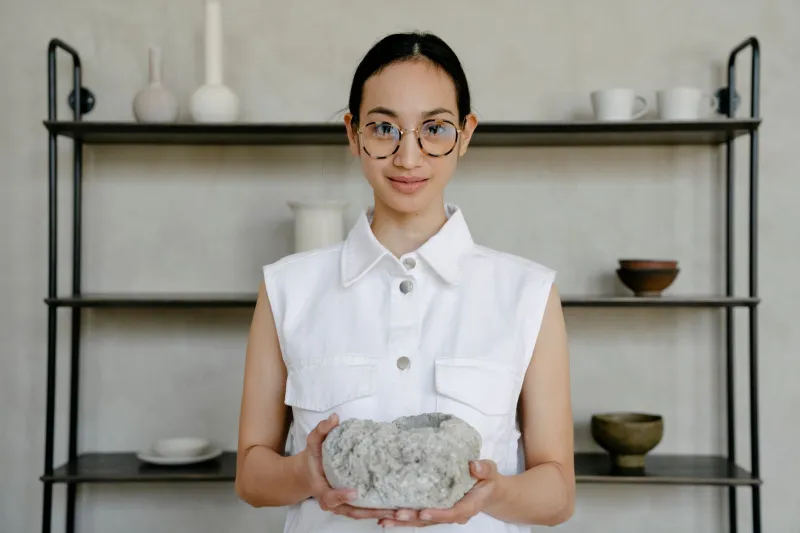
It's noticing the chipped mug. Appreciating the slightly-off hem on a thrifted jacket. Posting the video where you mess up the recipe and the sauce goes everywhere.
Creators like Mara T., a 22-year-old based in Portland who runs a TikTok account focused on slow cooking and Japanese textile traditions, has built an audience of nearly 300,000 followers without a single brand deal. "I tried the sponsored content thing for about two months," she told us over email. "It felt like lying. Not about the product, necessarily — just about who I was."
Her most-viewed video is 47 seconds of her re-dyeing a faded indigo shirt. No voiceover. No trending audio. Just the process.
Community Over Clout
What's interesting about this particular cultural turn is that it's not just aesthetic — it's structural. The creators and communities driving it are deliberately organizing around models that resist individual stardom.
Take the growing ecosystem of "slow content" Discord servers, where members share work, get feedback, and collaborate without any follower counts visible. Or the indie fashion micro-labels — many of them run by Americans who spent time in Japan or who've absorbed Japanese craft traditions secondhand — that release small, irregular drops with zero hype cycle. No countdown timers. No waitlists designed to manufacture scarcity. Just an email when something's ready.
Brands like Stillform (based in Brooklyn, heavily influenced by Kyoto workwear aesthetics) and Unfold Studio (a one-person operation out of Austin making unbleached cotton basics) have built loyal customer bases without a single influencer partnership. Their Instagram grids look almost aggressively boring by conventional standards. Which is, again, kind of the point.
"Japanese craft culture has always been community-first," says cultural writer and longtime Tokyo resident James Okoro, who writes about East-West creative exchange. "The master and apprentice model, the neighborhood workshop, the idea that excellence is built slowly and shared carefully — none of that translates well to an algorithm that rewards novelty every 48 hours. Gen Z is figuring that out."
Azabu in the Background
It's worth noting that some of this energy has a very specific geographic anchor. The Azabu neighborhood of Tokyo — understated, residential, home to a significant expat community — has become a kind of informal reference point for the Americans most deeply engaged with this shift. Not because it's trendy. Because it's conspicuously not.
Azabu doesn't have a famous street food scene. It doesn't show up on many "hidden gems of Tokyo" lists. What it has is a particular quality of life that's hard to photograph and harder to explain — walkable, quiet, community-oriented, with an emphasis on doing things well rather than doing things loudly.
Several of the creators and small-brand founders we spoke with mentioned Azabu specifically, even if they'd never visited. It functions almost as a shorthand for the sensibility they're reaching for: the idea that the most interesting version of a life doesn't necessarily make for great content.
This Isn't a Trend. Or Maybe It Is. That's Complicated.
Here's the tension that everyone involved seems at least vaguely aware of: the moment you write an article about the anti-influencer movement, you've done something to it. The moment a concept like kinkaku gets enough TikTok traction, it becomes content. And content, by definition, is what these people are trying to escape.
Mara, the Portland creator, laughs when this gets brought up. "I know. I'm very aware of the irony. I have a following now. That's a weird thing to have when your whole thing is not caring about followers."
But she pushes back on the idea that the contradiction kills the movement. "The goal was never to disappear," she says. "It was to make something honest. If honest things find an audience, that's not a failure. That's just — that's kind of what you want, right?"
Maybe. Or maybe the real story here isn't about social media at all. Maybe it's about a generation that grew up watching adults perform happiness online, decided they didn't want to do that, and went looking for a different model. They found one — imperfect, communal, a little hard to explain — in a country that's been quietly doing things its own way for a very long time.
Chipped mug and all.