Quiet Is the New Cool: How Azabu Turned American Expats Off Tokyo's Party Circuit
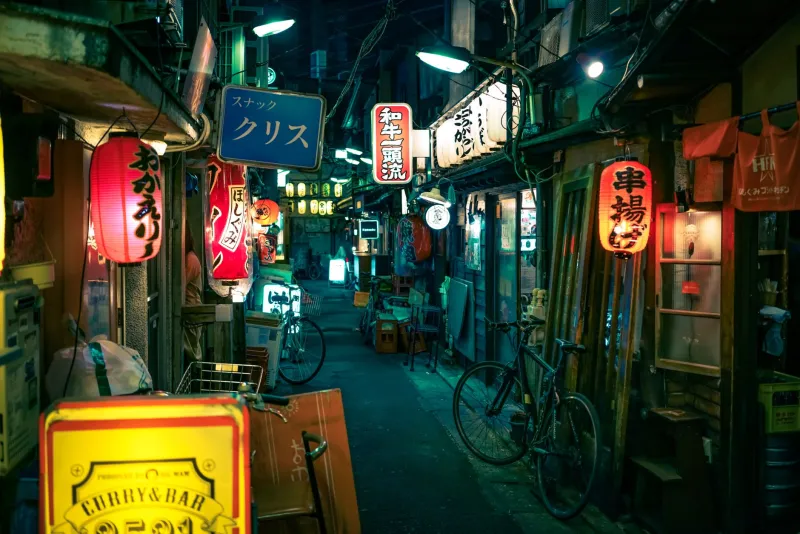
There's a version of the Tokyo dream that plays out in every American's head before they board the plane. It involves vending machines at 2 a.m., karaoke rooms that smell like stale beer, and the sensory overload of Shibuya crossing at rush hour. For a lot of US expats, that fantasy is exactly what they sign up for when they relocate to Japan.
Then some of them end up in Azabu—and the whole script flips.
The Neighborhood That Doesn't Need to Shout
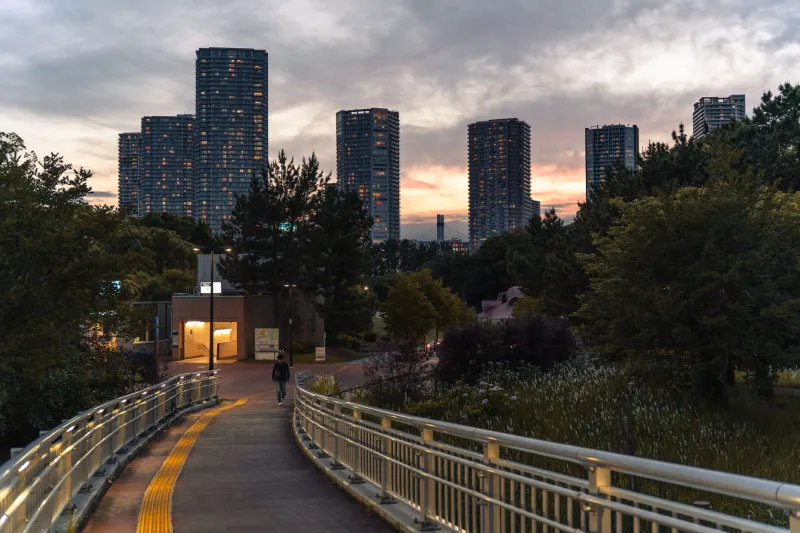
Azabu, tucked into Minato ward in central Tokyo, doesn't have the brand recognition of Shinjuku or the Instagram saturation of Harajuku. What it has instead is a kind of low-key sophistication that takes a while to notice—and, once noticed, is almost impossible to unsee. Tree-lined streets. Old embassies sitting next to discreet restaurants. A pace that feels almost European compared to the kinetic energy of Tokyo's more famous districts.
For Americans who arrive expecting Tokyo to be a permanent adrenaline rush, Azabu is either a disappointment or a revelation. Increasingly, it's the latter.
"I genuinely thought I'd be out every weekend in Roppongi," says Marcus, a 34-year-old software engineer from Austin who relocated to Tokyo three years ago for work. "I did that for maybe six months. Then I moved to Azabu because it was closer to my office, and I just... stopped wanting to go back."
He's not alone. Across expat forums, Facebook groups, and the kind of long conversations that happen over coffee in Azabu's quieter cafés, a pattern is emerging. Americans who came to Japan seeking the neon chaos are choosing to stay in—or relocate to—neighborhoods that actively resist that energy. And Azabu keeps coming up as the place where the shift happens.
What's Actually Going On Here
To understand the Azabu effect, it helps to understand what American expats are often running from in the first place. The US cities that send the most expats to Tokyo—San Francisco, New York, Seattle, Los Angeles—are places where hustle culture has become almost inescapable. The expectation that you should always be networking, always be visible, always be optimizing your social life for some kind of return, is baked into how a lot of Americans in their 20s and 30s operate.
Tokyo's party districts, for all their genuine fun, can replicate that same exhausting energy in a new setting. You're still performing. You're still consuming. The backdrop is different, but the script feels familiar.
Azabu offers something genuinely different. The neighborhood has an international population—diplomats, longtime expats, Japanese professionals with overseas experience—but it doesn't perform cosmopolitanism. It just quietly is. Restaurants don't need to trend. Bars don't need to be seen. There's a sense that the neighborhood has been doing its thing for decades and isn't particularly interested in your approval.
"It's the first place I've lived where I felt like I could actually exhale," says Danielle, a 29-year-old marketing consultant from Chicago who's been in Azabu for two years. "There's no pressure to be anywhere. And weirdly, that made me want to actually go out and explore—just on my own terms."
The Digital Age Angle Nobody's Talking About
There's something worth examining in the timing of all this. The expats making this shift are largely millennials and older Gen Z—the generations that grew up with social media and are now, quietly, pushing back against it. The appeal of a neighborhood that doesn't photograph particularly well, that doesn't have a viral aesthetic, that rewards presence over documentation, feels like a direct response to a decade of performative living.
Marcus puts it plainly: "I used to think I needed to be posting about what I was doing in Tokyo. Now I go to the same little ramen place on Tuesday nights and I don't tell anyone about it. That feels like the most luxurious thing in the world."
This isn't anti-social behavior. It's a recalibration. The expats who've made Azabu their home aren't becoming hermits—they're building smaller, more intentional social lives. Dinner parties instead of club nights. Neighborhood walks instead of bar crawls. Relationships that develop slowly, over time, rather than at the speed of a group chat.
Does This Mean Tokyo's Nightlife Scene Is Dying?
Not even close. Shibuya and Shinjuku are as loud and alive as ever. Roppongi still does what Roppongi does. The Tokyo nightlife ecosystem is enormous and deeply resilient, and plenty of expats—American and otherwise—are still fully plugged into it.
What's shifting is the story some Americans tell themselves about what they came to Japan for. The country has always offered more than its party reputation, and Azabu is one of the places where that "more" becomes tangible. The quiet isn't emptiness—it's texture. It takes time to read, but once you can, it's hard to want anything louder.
"I think I came to Tokyo to escape," Danielle says. "But Azabu is where I actually arrived."
That distinction—between escaping and arriving—might be the most honest summary of what's happening here. And for a growing number of Americans in Tokyo, the address that marks the difference is somewhere in Minato ward, on a street that doesn't show up in any nightlife guides.