No WeWork, No Problem: Why American Remote Workers Are Choosing Tokyo Neighborhoods Over Co-Working Hubs
There's a particular kind of exhaustion that sets in after your third month inside a co-working space. The kombucha on tap stops feeling like a perk. The standing desks start looking like props. And the open-floor-plan hum — that low-grade buzz of performative productivity — begins to feel less like energy and more like static.
For a growing number of American remote workers, the antidote turned out to be an 11-hour flight away.
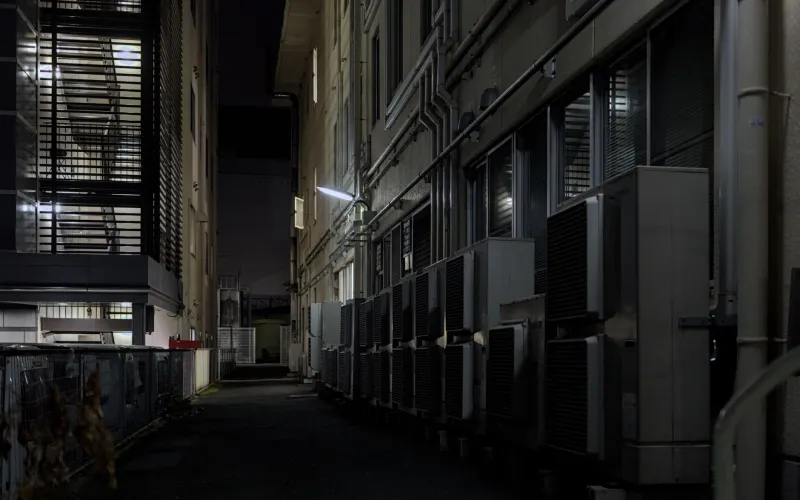
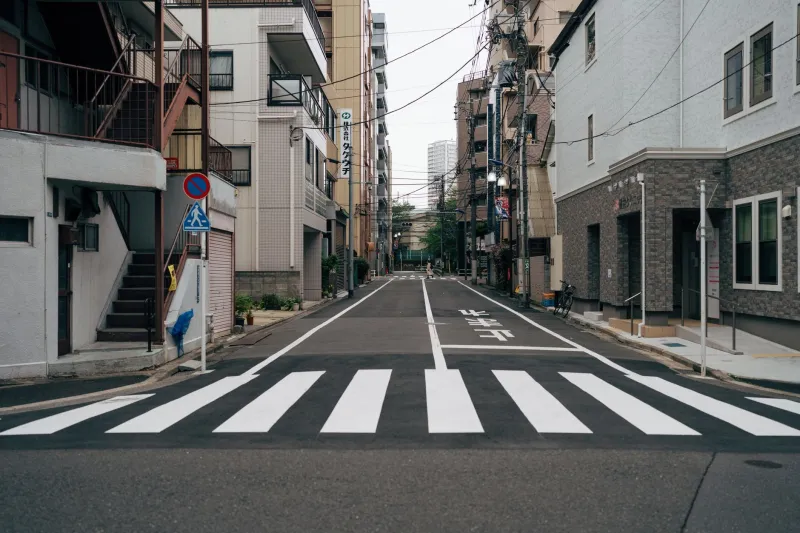
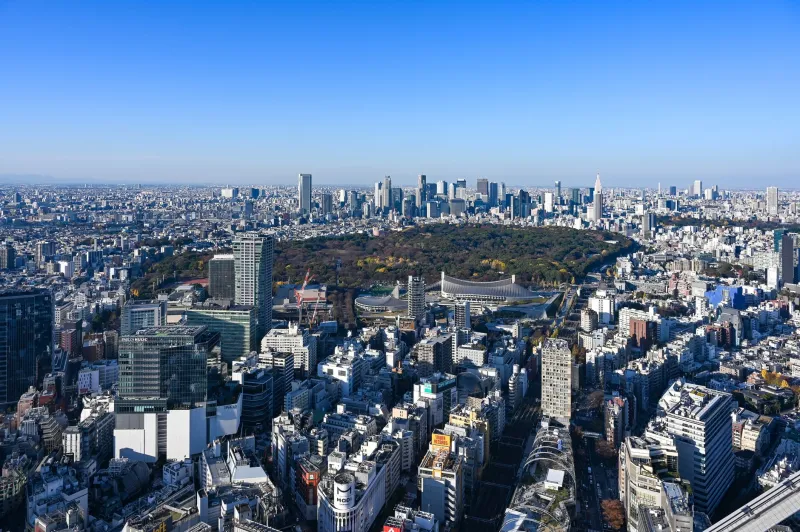
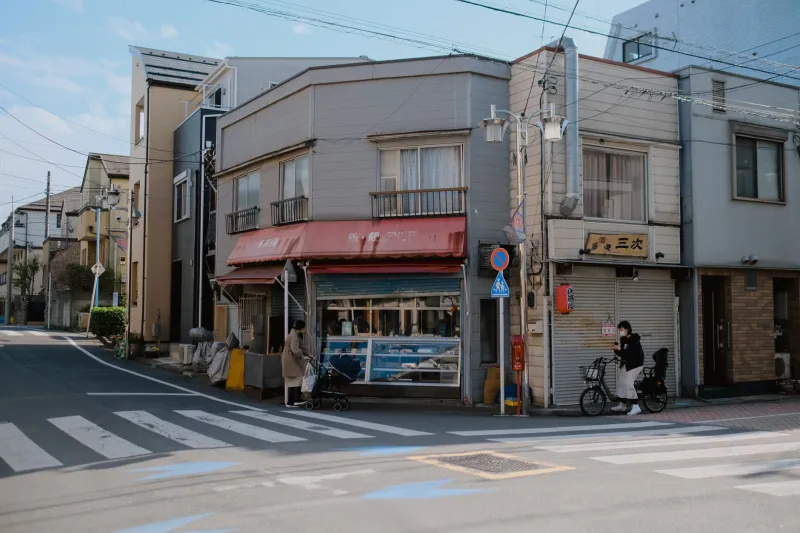
Azabu, a residential neighborhood tucked into Tokyo's Minato ward, doesn't have a co-working scene worth mentioning. There's no neon signage advertising "community-driven innovation spaces" or day passes for ¥3,000. What it does have is something harder to manufacture: a genuine sense of place. Tree-lined side streets. A few unpretentious coffee shops where the barista knows your order by Wednesday. The kind of quiet that doesn't feel curated.
And apparently, that's exactly what a certain type of American professional has been craving.
The Anti-Co-Working Move
Jordan Mercer, a UX consultant from Portland who's been working remotely since 2021, made the move to Azabu after a stint in Lisbon left him underwhelmed. "Lisbon was great, but it was full of digital nomads talking about being digital nomads," he says. "Every co-working space felt like a networking event. I wasn't there to network. I was there to work."
He landed in Tokyo on what was supposed to be a three-month experiment and ended up signing a year-long lease on a one-bedroom in Nishi-Azabu. His office is a corner table at a neighborhood kissaten — one of those old-school Japanese coffee shops that's been around since the '70s — and a standing desk he assembled himself in his apartment.
"I get more done before noon here than I used to get done in a full day back home," he says. "I think part of it is the environment. Nobody's performing productivity around me. The place just... functions."
That word — functions — comes up a lot when Americans describe what draws them to Tokyo's residential neighborhoods over the co-working circuit. There's an operational elegance to everyday life here that seems to have an almost osmotic effect on the people who settle into it.
What Azabu Has That SoHo House Doesn't
It's worth being specific about what we're talking about when we say "residential authenticity," because it's easy for that phrase to slide into lifestyle-brand territory. Azabu isn't charming in a postcards-and-cherry-blossoms way. It's charming in a deeply functional way — the kind of neighborhood where the dry cleaner has been run by the same family for 40 years, where the convenience store feels like a genuine community resource, and where nobody is trying to make the street feel like a brand experience.
For remote workers burned out on the aestheticization of everything — the Instagram-optimized workspaces, the "intentionally designed" common areas — that functional ordinariness is almost radical.
Sarah Okonkwo, a distributed team lead for a mid-sized SaaS company based in Austin, relocated to Azabu eight months ago after her company went permanently remote. She'd tried co-working spaces in both Austin and San Francisco and found them "energizing for about two weeks, then completely draining."
"There's this implicit pressure in those spaces," she explains. "You feel like you have to be seen working. You have to be the person who's crushing it. Here, nobody cares. My neighbors care that I sort my recycling correctly. That's the social contract. It's oddly freeing."
She now works primarily from her apartment, occasionally migrating to a small neighborhood café she describes as "not Instagrammable in the slightest, which is exactly the point."
The Productivity Question
Skeptics might reasonably wonder whether this is all just romanticized remote work — whether the Azabu effect is really just the novelty effect, the temporary productivity boost that comes with any new environment before it fades into background noise.
It's a fair challenge. But the people who've stuck around longer than six months tend to push back on it.
Daniel Rhee, a developer and co-founder of a small distributed software studio, has been based in Azabu for almost two years. He's thought carefully about why the environment continues to work for him even after the novelty has worn off.
"I think it comes down to the absence of friction in daily life," he says. "Everything in Tokyo just works. The trains run. The grocery store is stocked. The internet is fast. When the infrastructure around you is reliable, you stop spending mental energy managing logistics. That energy goes back into your work."
He also points to something subtler: the social norms around public space. In an American co-working environment, he notes, there's a constant low-level negotiation happening — over noise levels, over phone calls, over how long you can occupy a table. In a Tokyo neighborhood coffee shop, those norms are largely implicit and widely understood. "Nobody's testing the limits of what they can get away with," he says. "It sounds small, but it changes the whole atmosphere."
Silicon Valley's Open-Office Problem, Solved Accidentally
There's an irony worth noting here. The open-office layout — that gospel of mid-2010s Silicon Valley design — was supposed to foster collaboration and flatten hierarchy. It largely did neither, and the research on its effect on focus and productivity has been, to put it gently, unkind. Remote work was supposed to be the correction. But in practice, many remote workers just recreated the open office inside a co-working space, complete with the ambient distraction and performative busyness.
Azabu, accidentally, offers a third path. Work from your apartment. Work from a quiet café. Take a walk when you're stuck. Eat a proper lunch. Return. Repeat. It's not a productivity system. It's just a way of living that happens to make focused work easier.
"I stopped tracking my hours here," says Mercer. "Not because I'm working less — I'm probably working more — but because the work stopped feeling like something I was grinding through. It just became part of the day."
The Catch (There's Always a Catch)
None of this is to say that relocating to Tokyo for remote work is without friction. Visa logistics remain genuinely complicated for Americans, though Japan's recently introduced digital nomad visa has opened a door that wasn't there before. The language barrier is real, particularly outside of central neighborhoods. And Azabu itself isn't cheap — it's one of Tokyo's more expensive residential areas, which matters when you're converting yen-denominated rent from a dollar-denominated salary.
But for the people who've navigated those hurdles, the calculus tends to look favorable. Okonkwo puts it plainly: "I'm paying more in rent than I was in Austin. I'm spending way less on everything else. And I'm doing the best work of my career. I'll take that deal."
The co-working industry isn't going anywhere. But the idea that a sleek, amenity-loaded workspace is the obvious solution for remote professionals? That assumption is getting quietly stress-tested in neighborhoods like Azabu, one corner café table at a time.